This post arose initially from my effort to understand the West Asheville of the early 1920s, when both my Whisnant and Rudisill grandparents moved there–the Whisnants from fifteen years in…
Read moreFamily Challenges in the ‘Teens: A Strike, a Flood, and an Epidemic
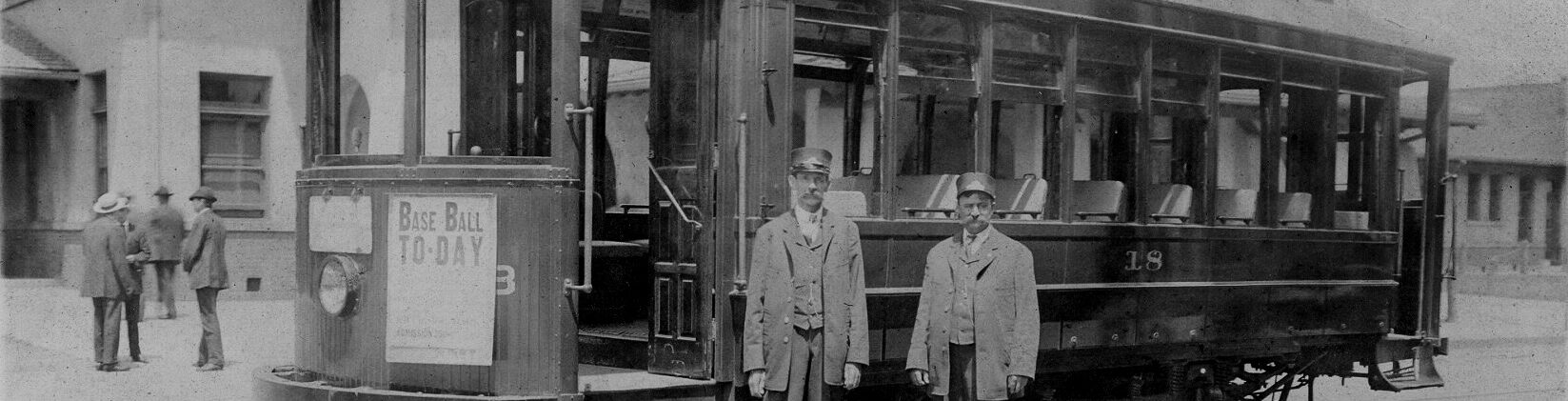
This post focuses on the Asheville Street Railway Strike of 1913; the great Asheville flood of 1916; and the influenza pandemic of 1918-1920, in which my father nearly died.
Read moreGlimpses into the Daily Lives of the Whisnants

My previous post conveyed as much as I have been able to discover about the “little house behind the big house” setting of the Whisnant family’s life on Asheville’s South…
Read moreWorking Class Family Behind the Big House: Asbury, Ella, and Their Children: 1907-1918
Living Large and Small: Class and Difference on an In-town Estate This post examines the place where Asbury and Ella lived with their family for fifteen years after 1907, and seeks to employ the…
Read moreOur Mountain Home: Asbury’s Encounter with a Changing Asheville, 1900-1907

A rapidly growing and changing Asheville, 1900-1907: Victor Talking Machines, a street railway workers’ union, black and Jewish professionals and entrepreneurs, bars and tourist hotels, and moving pictures at the Gayety Theater.
Read moreRetrospective I: A Primer on the Sad Truths of Slavery in Asheville, Buncombe County and Western North Carolina

The Consensus Myth: “No Slaves or Slaveholders in the Mountains” John Preston Arthur’s popular 1914 history put the matter of slaves and slaveholders in the mountains succinctly and unambiguously::…
Read more