Asheville Junction: A Blog by David E. Whisnant

“The Best and Most Prosperous City”: American Enka and the Imagined Transformation of Asheville

“The Best and Most Prosperous City”: American Enka and the Imagined Transformation of Asheville

NOTE TO READERS: This is the second in a series of posts on the coming of the American Enka Corporation plant to Buncombe County’s Hominy Valley in 1928, and its…

Read more

A New Vision for Old Hominy Valley: The Coming of the Enka Plant

  The news on a late September Sunday morning in 1928 that the American Enka Corporation was going to build a $10 million plant in Buncombe County pleased virtually everyone.…

Read more

The Several Lives of West Asheville, Part III: Edwin Carrier in West Asheville

Quick Take on the Early Years: Incorporation, De-/Re-incorporation, Annexation, and Mini-Boom, 1889-1925 When West Asheville–already on the way toward development and modernization–was incorporated on February 9, 1889, the language of…

Read more

The Several Lives of West Asheville, Part I: Sulphur Springs as Proto-Land of the Sky, 1827-1861

This post arose initially from my effort to understand the West Asheville of the early 1920s, when both my Whisnant and Rudisill grandparents moved there–the Whisnants from fifteen years in…

Read more

Our Mountain Home: Asbury’s Encounter with a Changing Asheville, 1900-1907

Our Mountain Home: Asbury’s Encounter with a Changing Asheville, 1900-1907

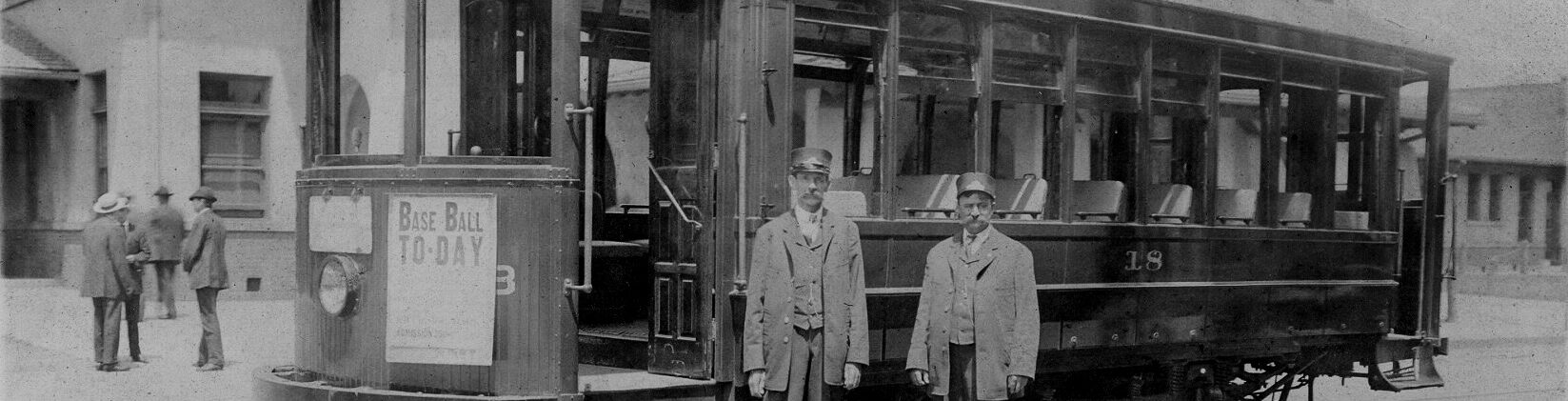
A rapidly growing and changing Asheville, 1900-1907: Victor Talking Machines, a street railway workers’ union, black and Jewish professionals and entrepreneurs, bars and tourist hotels, and moving pictures at the Gayety Theater.

Read more

Retrospective I: A Primer on the Sad Truths of Slavery in Asheville, Buncombe County and Western North Carolina

Retrospective I: A Primer on the Sad Truths of Slavery in Asheville, Buncombe County and Western North Carolina

  The Consensus Myth: “No Slaves or Slaveholders in the Mountains” John Preston Arthur’s popular 1914 history put the matter of slaves and slaveholders in the mountains succinctly and unambiguously::…

Read more